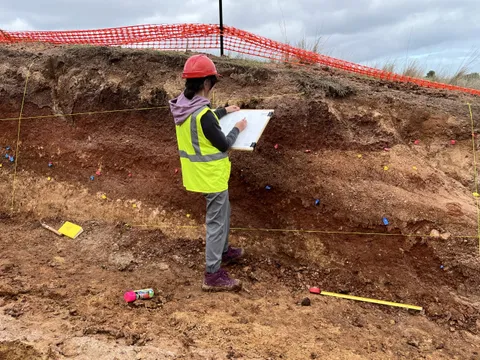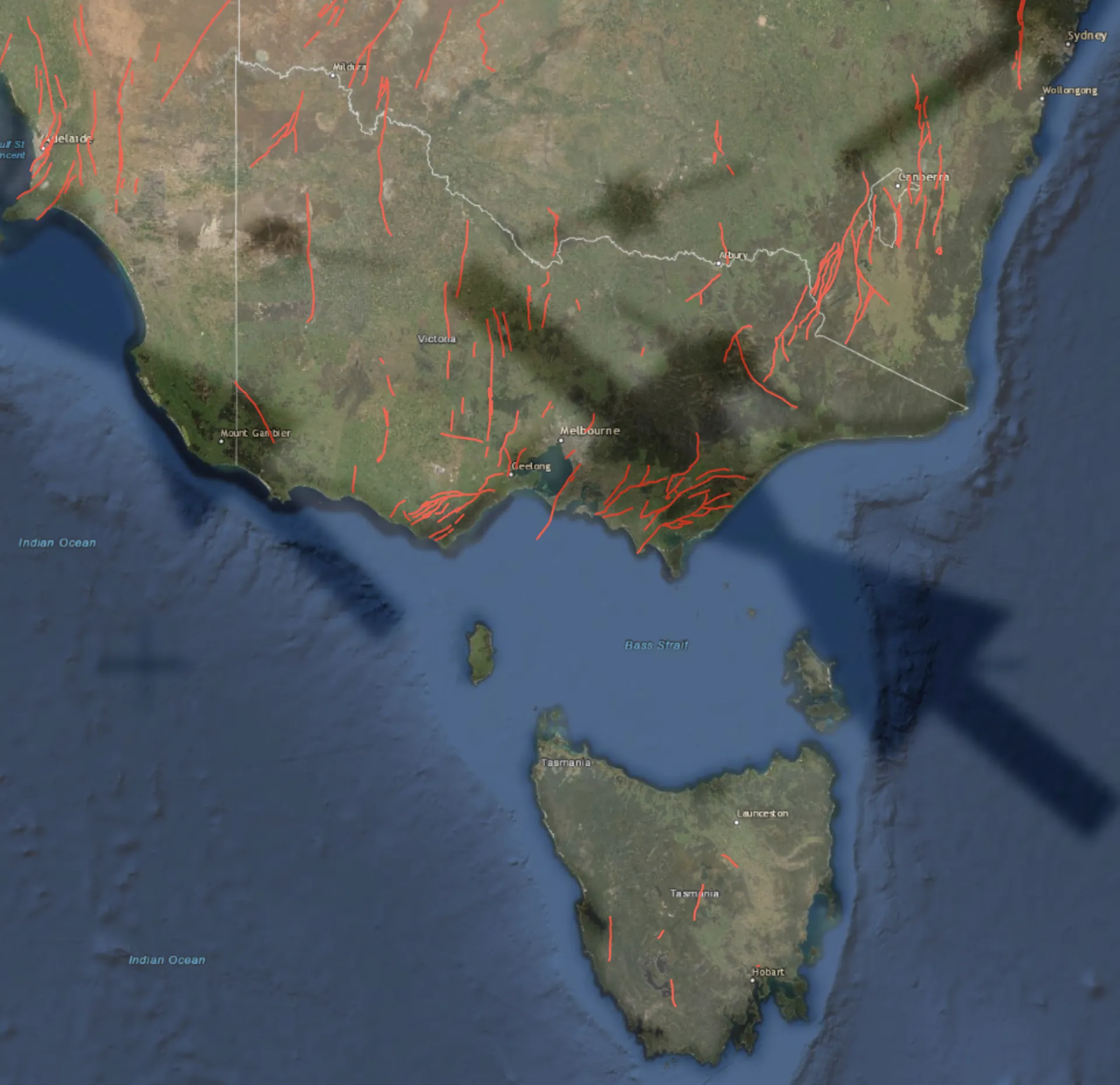
A fault is a point of weakness in the earth’s crust that breaks and moves when under stress from the motion of the tectonic plates, or from other sources of compression or decompression of the surrounding rock. The classification of the fault depends on the orientation of the stress and the fault, based on how it ruptures when the stress exceeds the strength of the rock.
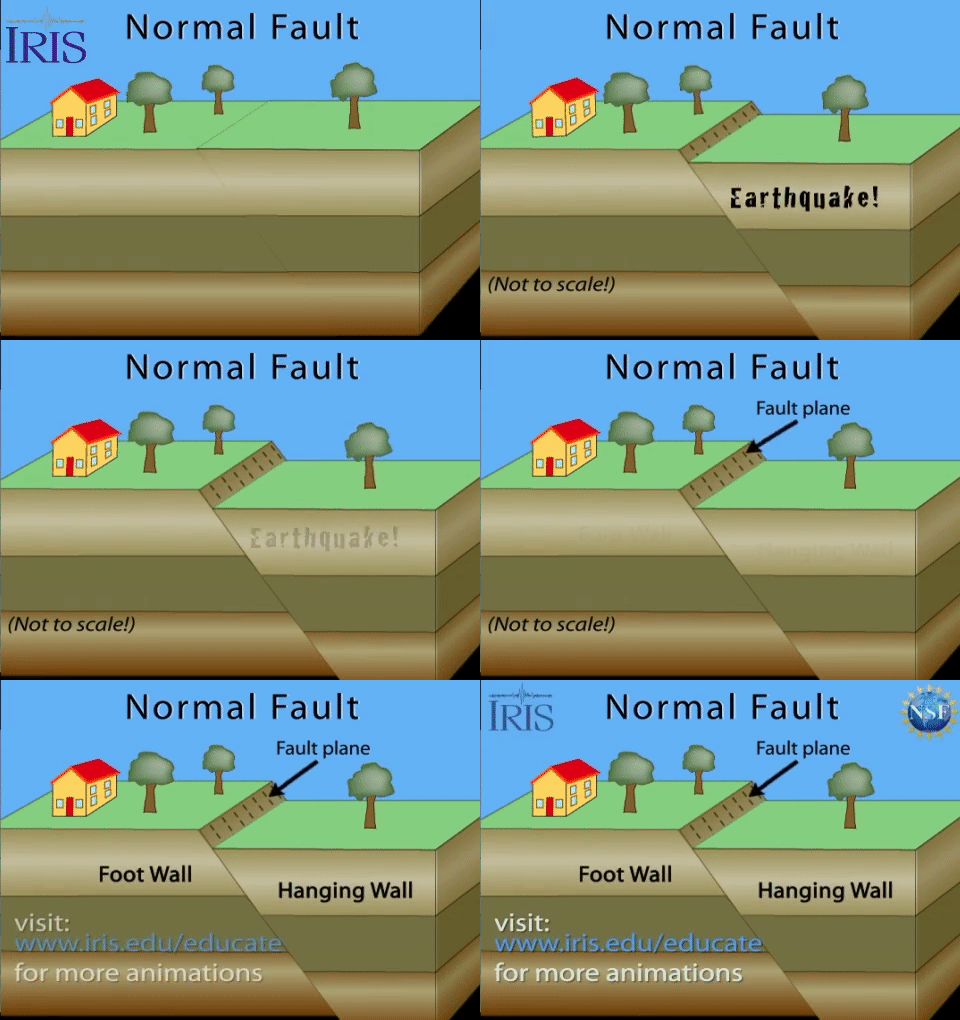
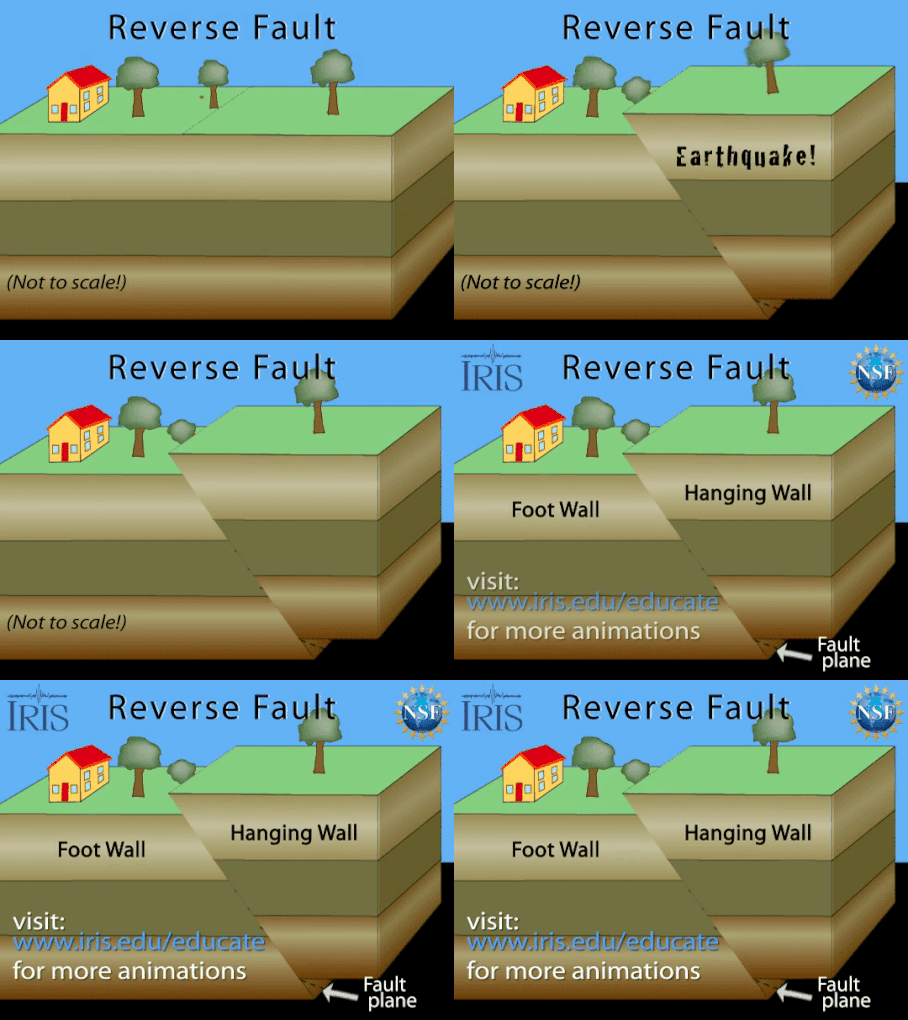
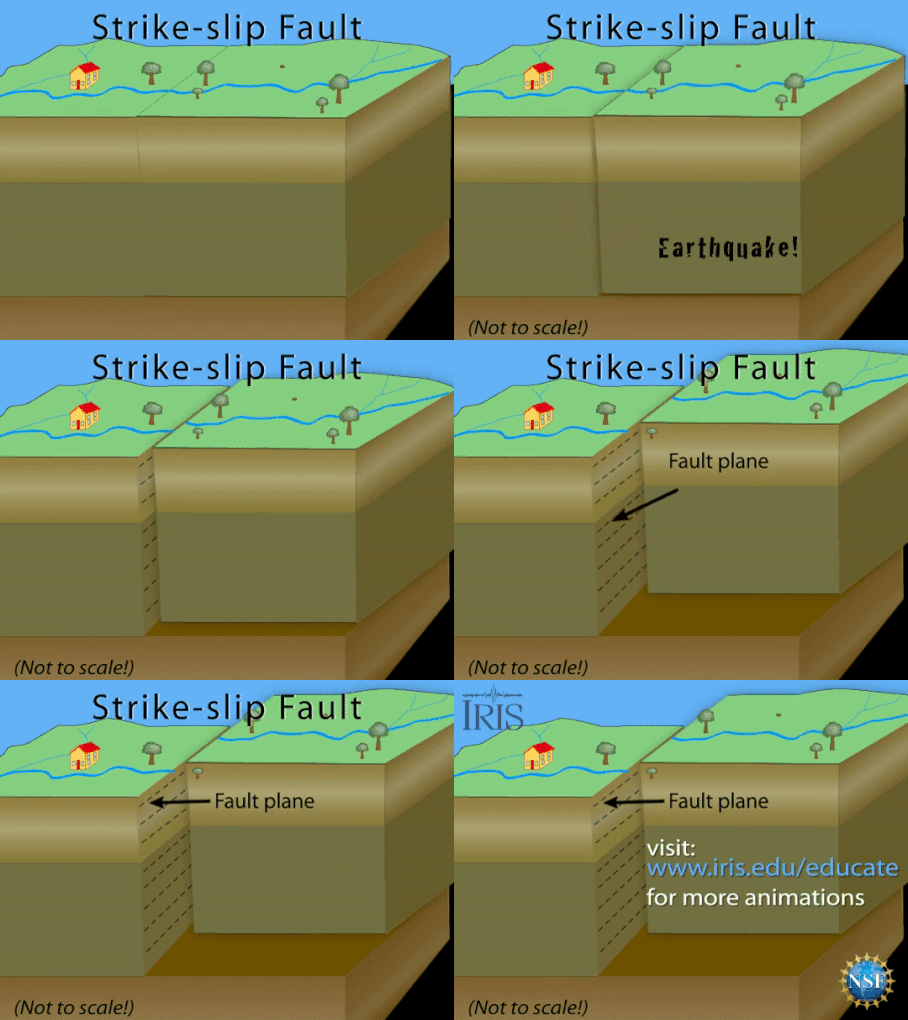
If the orientation of the maximum stress aligns with the fault, the primary rupture mechanism will likely be strike-slip, and the fault plane is often close to vertical. Compressional stress usually results in reverse (or thrust) faults, where an overhanging fault scarp may form at the surface. Where the crust is being pulled apart, normal faults may result in the fault being visible in a slumped scarp at the surface.
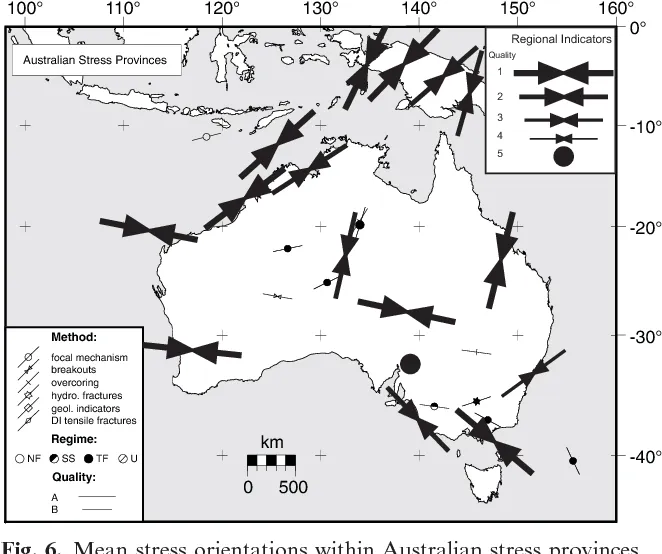
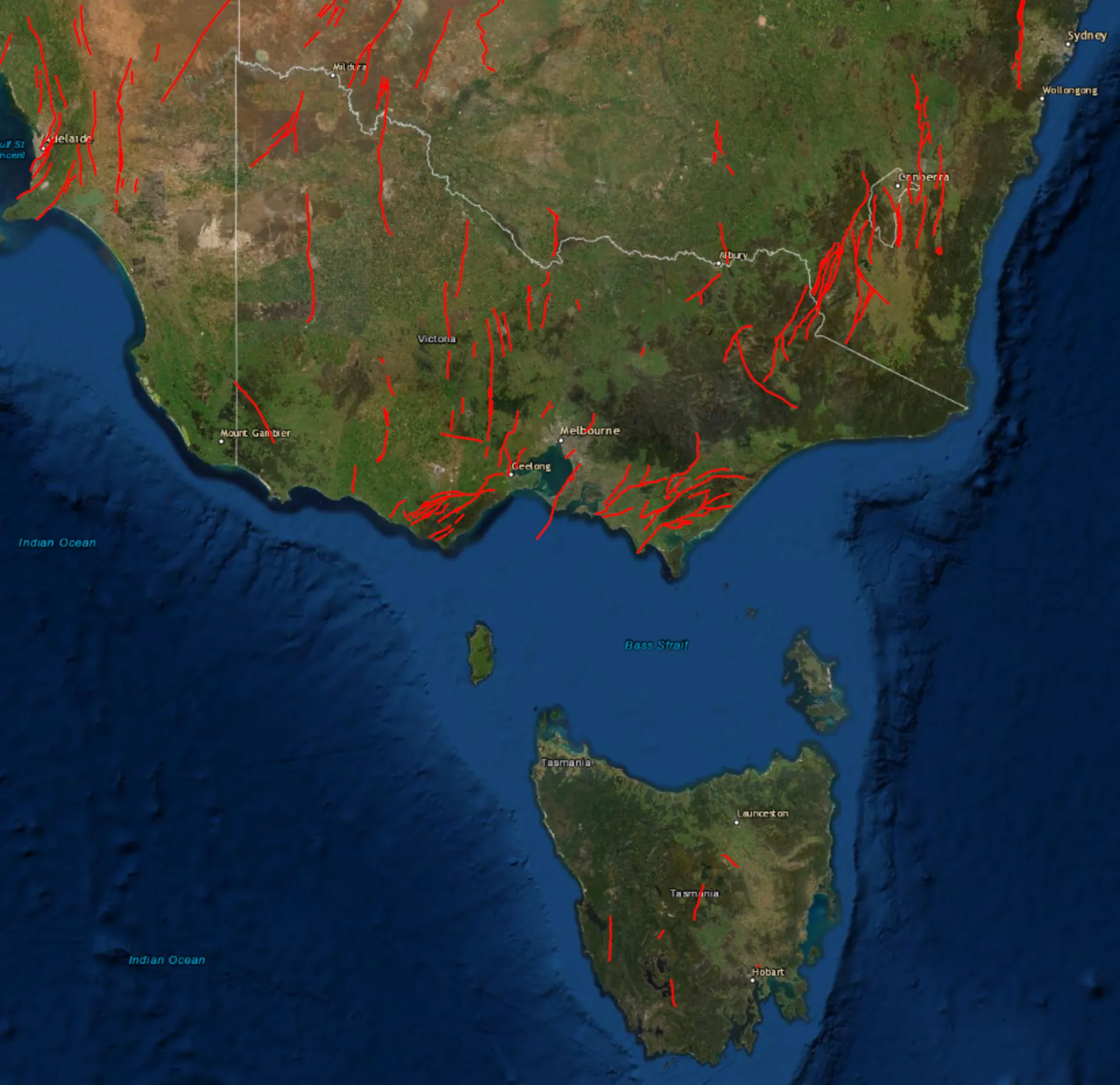
The SRC earthquake observatory is based in Melbourne, in Australia’s southeast, where the primary compressional stress is oriented Southeast-Northwest, and where most of the faults run perpendicular to the stress, resulting in most earthquakes having a reverse thrust mechanism. The SRC’s “S” logo is meant to represent a reverse fault, but not all earthquakes in Australia’s southeast are reverse faults.
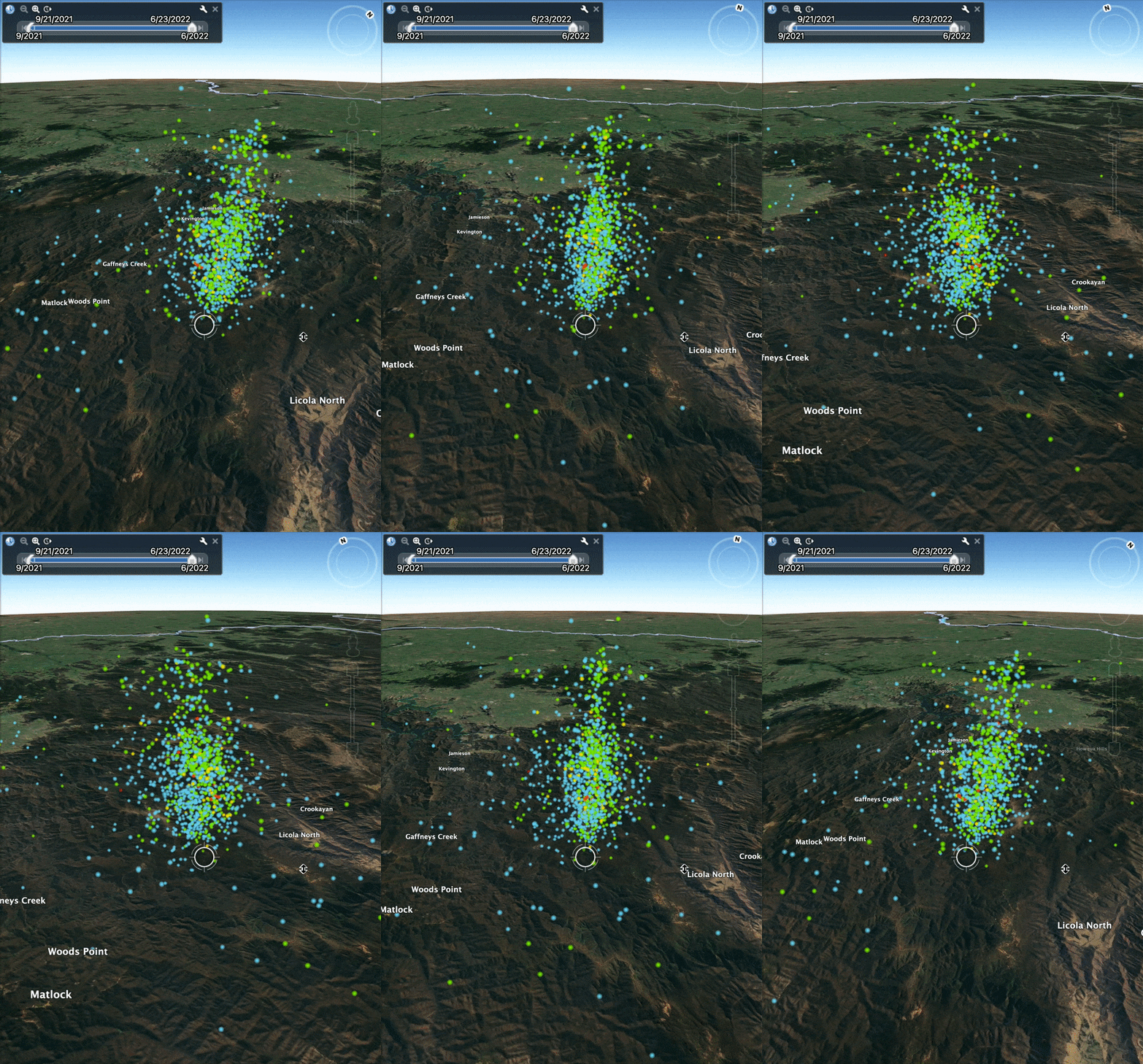
The recent magnitude Mw5.9 Woods Point earthquake in eastern Victoria occurred on a fault running North-South, and based on the data recorded, the earthquake showed a strike-slip mechanism and near-vertical earthquake distribution of aftershocks along the fault plane.
You can watch a one-minute video on this topic on this TikTok channel.
Faults – what’s the difference between Normal, Reverse/Thrust, and Strike-Slip? It’s all about compression, extension, stress direction & fault alignment